iBUYPOWER Element Gaming PC Review: An AI Workstation for Small Business?
A Ryzen 9 and RTX 5070 gaming tower that ranks #1 in AI Workstations right now — here's where it earns that spot for a small business, and where it doesn't.

A genuinely capable Ryzen 9 desktop with real GPU power for entry-level local AI and 3D work, built and priced like the gaming PC it actually is.
Check price on Amazon →| Processor | AMD Ryzen 9 7900X (12-core, 24-thread) |
|---|---|
| Graphics | NVIDIA GeForce RTX 5070, 12GB video memory |
| Memory | 32GB DDR5 RGB, 4800MHz, dual-channel (2x 16GB) |
| Storage | 1TB NVMe SSD |
| Operating system | Windows 11 Home |
| Connectivity | 6x USB 3.1, 1x RJ-45 Gigabit Ethernet (10/100/1000), 802.11AC Wi-Fi |
| Audio | Onboard audio |
| Case | Tempered glass RGB gaming case, 16-color RGB lighting |
| Included accessories | iBuyPower gaming keyboard and RGB gaming mouse |
The iBUYPOWER Element is a Ryzen 9 gaming desktop currently ranked #1 on Amazon's AI Workstations shelf. It pairs an AMD Ryzen 9 7900X processor with an NVIDIA GeForce RTX 5070 graphics card carrying 12GB of video memory, and the listing itself markets the build as 'AI Workstation PC ready.'
For a small business, that combination is worth a closer look, but it is still a gaming tower wearing a business label. This review covers what the Element does well as an AI workstation, where its limits show up, and how it stacks up against the other desktops selling alongside it right now. Every spec below comes from the manufacturer listing.
What the IBUYPOWER Element Is — and Who It Fits
The iBUYPOWER Element is a tower desktop built around an AMD Ryzen 9 7900X processor and an NVIDIA GeForce RTX 5070 graphics card with 12GB of video memory. It ships with 32GB of DDR5 RAM, a 1TB NVMe SSD, and Windows 11 Home, all inside a tempered-glass case with 16-color RGB lighting.
It suits small businesses that want one desktop for testing local AI models, running light 3D or CAD software, and handling everyday office work, all with a genuine discrete GPU behind it. It is a poor fit for teams that need Windows 11 Pro's device-management tools out of the box, or for workloads that need more GPU memory than 12GB gives you.
- Best for: solo operators and small teams testing local AI tools, light 3D rendering, or CAD work on one machine
- Also good for: a single power-user desktop that also covers everyday office tasks
- Skip it if: you need Windows 11 Pro for domain join and BitLocker, or more than 12GB of GPU memory
Performance: The Ryzen 9 7900X and RTX 5070 Pairing
The AMD Ryzen 9 7900X is a 12-core, 24-thread desktop processor built on AMD's Zen 4 architecture, and it handles multitasking, spreadsheets, and video calls without slowing down. It also has room for compiling code, running a virtual machine or two, or keeping dozens of browser tabs open at once.
The NVIDIA GeForce RTX 5070 is the machine's real differentiator, since most business desktops in this price class ship with integrated graphics instead of a discrete GPU. Its 12GB of video memory is enough to run quantized local language models in the roughly 7B-to-13B parameter range and handle mid-size CAD or rendering projects, though it runs out of headroom on the largest local models.
Memory and Storage for AI and Office Work
32GB of DDR5 RAM at 4800MHz, split across two 16GB modules for dual-channel speed, covers most business software and moderate local AI workloads without strain. Data science tasks that load large datasets into memory, or several virtual machines running at once, will use up that headroom faster than typical office work does.
The 1TB NVMe SSD gives fast boot and load times but is a tight budget once a team starts storing large AI model files, CAD projects, and datasets on the same drive. A business planning to keep multiple local models on hand should budget for external or added storage from day one.
Where the IBUYPOWER Element Fits an AI Workstation Budget
At Layer3Labs, our own gear-radar routine tracks the AI Workstations shelf on Amazon every day, and the consistent pattern is that the top sellers are consumer gaming towers relabeled for a business audience, not machines purpose-built for inference or CAD. The GPU in these listings is usually picked for game frame rates, not for the VRAM headroom that local-model and heavy CAD work actually need.
That pattern holds here. The Ryzen 9 7900X and RTX 5070 combination is genuinely capable for entry-level local AI testing and light 3D work, but a business buying specifically for AI inference should treat the 12GB of GPU memory as the real ceiling, not the sales rank.
Ports, Connectivity, and the Gaming-PC Build
Connectivity covers the basics: six USB 3.1 ports, one Gigabit Ethernet port (10/100/1000), 802.11AC Wi-Fi, and onboard audio. The listing does not name a Thunderbolt or USB-C port, which some purpose-built workstations include for high-speed external drives and docking stations.
The case is a tempered-glass tower with 16-color RGB lighting, and the listing notes 'No Bloatware' along with a free iBuyPower gaming keyboard and RGB gaming mouse. It is a gaming aesthetic, not a neutral office tower, which matters if the desktop will sit somewhere clients can see it.
Where the IBUYPOWER Element Falls Short for Business
The clearest limit is the operating system. It ships with Windows 11 Home, not Pro, so it lacks the built-in domain join, BitLocker device encryption, and Group Policy management that IT teams rely on for company-owned machines.
- Windows 11 Home instead of Pro — no built-in domain join, BitLocker, or Group Policy management
- 12GB of GPU memory caps how large a local AI model the machine can comfortably run
- 1TB of storage gets tight once model files, datasets, and CAD projects share the same drive
- Gaming-forward RGB design, not a neutral tower for a client-facing office
IBUYPOWER Element vs the Other AI Workstations Alternatives
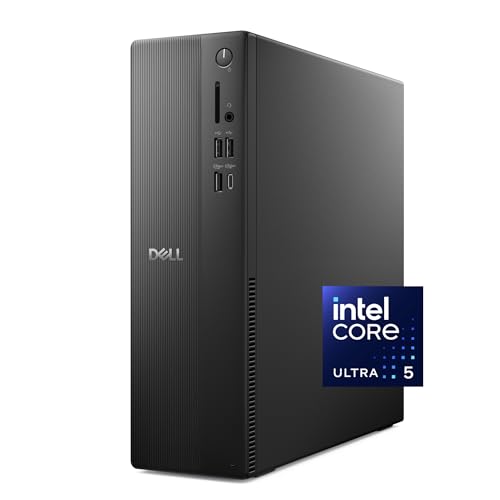
Against the other desktops selling on the same AI Workstations shelf, the iBUYPOWER Element is the only one with a named discrete GPU. The Dell alternatives lean on renewed OptiPlex and Tower models with Intel chips ranging from the i5-8500 up to the newer Core Ultra 7-265, and none of their listings name a dedicated graphics card.
That makes the Dell lineup a better fit for standard office work at a lower entry cost, especially where Windows 11 Pro's management features matter more than raw GPU power. The iBUYPOWER Element is the pick when the job actually needs a discrete GPU for local AI, CAD, or rendering work.
Where to buy the iBUYPOWER Element Gaming PC Desktop
A genuinely capable Ryzen 9 desktop with real GPU power for entry-level local AI and 3D work, built and priced like the gaming PC it actually is.
Check price on Amazon →Alternatives worth comparing
If the iBUYPOWER Element Gaming PC Desktop is not the right fit, these are the other ai workstations ranking alongside it right now.


Frequently Asked Questions
- Yes, for entry-level local AI work. The RTX 5070's 12GB of video memory can run quantized language models in the roughly 7B-to-13B parameter range, but it struggles with larger local models that need more GPU memory.
- No, it ships with Windows 11 Home. Businesses that need domain join, BitLocker encryption, or Group Policy management should budget for a Windows 11 Pro upgrade or choose a different machine.
- The AMD Ryzen 9 7900X has 12 cores and 24 threads, built on AMD's Zen 4 architecture. That is enough for heavy multitasking, compiling code, and running more than one virtual machine at a time.
- 32GB covers most office software and moderate local AI or CAD workloads without trouble. Data science tasks that load large datasets, or several virtual machines at once, use that memory up faster than everyday office work.
- It uses an NVIDIA GeForce RTX 5070 with 12GB of dedicated video memory. That is a genuine discrete GPU, which sets it apart from most business desktops in this price class that rely on integrated graphics.
- It is the only one with a named discrete GPU. The Dell OptiPlex and Tower alternatives run on Intel chips without a listed graphics card, which makes them a better fit for standard office work and a weaker one for local AI or 3D tasks.
Buying business desktops for your team?
Layer3 Labs helps small and mid-size businesses choose, standardize, and deploy the right AI-ready workstations, and the workflows that run on top of them.
Book a free consultation