We rebuilt tax research and preparation around AI, and absorbed a busy season without adding headcount
Quillmark Tax Partners moved first-pass research and workpaper preparation to AI agents bound to the firm's own methodology. Tax Principal Nadia Okonkwo on the controls that make it defensible, and where human judgment still decides.
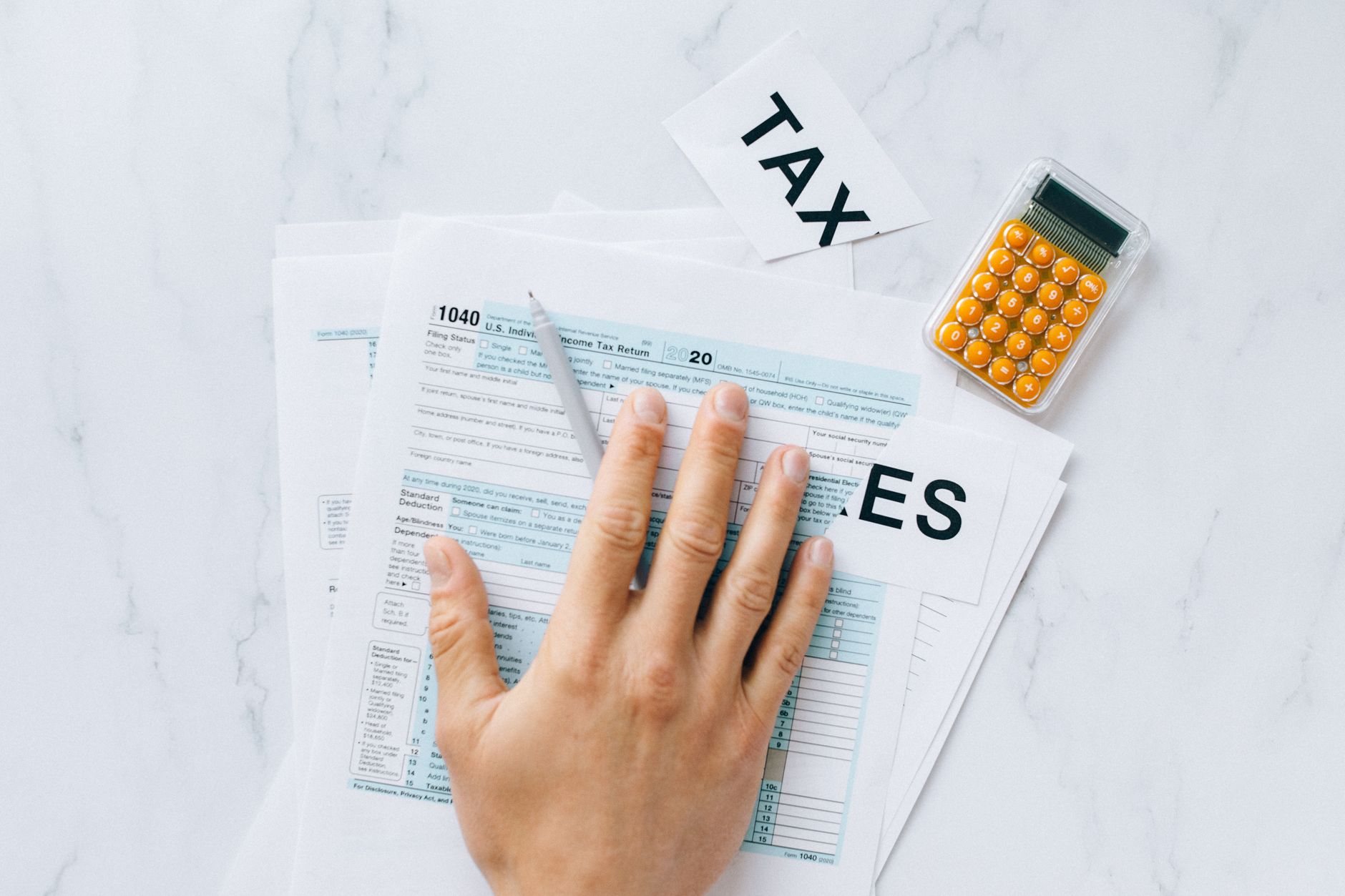
The tax profession is short of people at the exact moment demand for its judgment is rising. Deadlines are fixed, source documents arrive late and unstructured, and a wave of retirements has thinned the ranks of preparers who once absorbed the January-to-April crush. Firms that cannot add staff are asking whether software can carry the routine load without compromising confidentiality or the work product. Quillmark Tax Partners, a practice serving closely held businesses and high-net-worth clients, has spent two seasons building AI research and preparation agents into its methodology. We spoke with Nadia Okonkwo, Tax Principal, about what changed and what it did not solve.
Start with the underlying problem. What made this worth the disruption?
Our economics broke down in a predictable way every year. Between January and April, the work compresses into a window that no amount of planning fully smooths, and the people qualified to do it are the same people we cannot easily hire more of. The talent pipeline into tax has been thin for a decade, so we were paying senior professionals to do work that a junior preparer should do, then paying overtime on top of that. That is expensive, and it burns out exactly the people you most want to keep. There was also a quality dimension. When a principal spends the evening keying figures off a stack of K-1s, the firm is not getting that person's judgment, which is the thing clients actually pay for. We concluded the constraint was not effort. It was where our scarce expertise was being spent. The goal was to move the routine build work off senior desks and keep those desks focused on positions, planning, and the conversations that require a licensed professional.
AI has been discussed in accounting for years. Why is it viable now in a way it was not five years ago?
Two things changed. The first is grounding. Earlier general-purpose tools would answer a tax question fluently and be confidently wrong, because they were generating from memory rather than from the authorities. The current systems we use are built with retrieval, so the agent pulls the relevant Internal Revenue Code sections, regulations, and guidance and drafts against that text, with citations we can open and check. That moves the tool from a plausible-sounding assistant to something whose reasoning is traceable to a primary source. The second is document handling. Models can now read the messy reality of a tax file, the W-2s, 1099s, and partnership K-1s that arrive as scans and photographs, and extract the fields reliably enough to be worth reviewing. Five years ago both of those failed often enough that the review burden erased the benefit. They are not perfect today, but they crossed the line where a professional spends less time correcting the draft than they would have spent creating it. That threshold is the whole decision.
Walk me through what actually happens when a return or a research question comes in.
It runs in stages, and each stage produces something a human checks before the next one starts. When a client's documents arrive, an extraction step reads the source forms and populates the return data, flagging anything it could not read cleanly rather than guessing. For preparation, we use specialized agents rather than one general tool, so book-to-tax adjustments, depreciation schedules, state apportionment, and partnership allocations are each drafted by an agent configured for that task and for our firm's methodology. The output is a set of workpapers in the format our reviewers expect, not a black-box number. For research, a professional poses the question, and the agent returns a first-pass memo with the controlling authorities cited inline. The key design choice is that the agents draft against our methodology, the standard positions and documentation conventions the firm already uses, so what comes back looks like our work and can be reviewed the way we review a junior's work. Nothing is filed on the strength of the draft alone. A person verifies, corrects, and signs.
Tax work carries real confidentiality and professional-responsibility obligations. How do you handle data governance?
This was the first thing we settled, before any productivity question. Client tax data does not go into public chatbots or consumer tools. We use enterprise systems with contractual confidentiality terms, where client inputs are not used to train shared models and where one client's information cannot surface in an answer prepared for another. That last point is a specific failure mode we tested for, because in a multi-client practice it is a genuine risk. Access is controlled by engagement, and we keep a record of what the AI produced as part of the workpaper file. The professional standards side matters as much as the technical side. The IRS Office of Professional Responsibility issued guidance this year on how Circular 230 applies to AI, and the short version is that nothing about these tools reduces the practitioner's duties. We remain responsible for accuracy, for confidentiality, for due diligence, and for the reasonableness of our fees. We treat the AI as a tool used under those obligations, not as a party that shares them.
How do you deal with accuracy? These systems can fabricate, and a fabricated citation on a tax filing is a serious matter.
We assume the draft can be wrong and design the review around that assumption. The well-documented risk is a fabricated authority, a citation that looks right and does not exist, or a real code section applied to the wrong facts. So every authority in an AI-drafted memo is verified against the primary source before it informs a position, and every figure is tied back to the workpaper that produced it. At Layer3Labs, we run a layered review. The AI produces the first layer, a qualified preparer checks and corrects it, and a licensed reviewer signs. Accountability is unambiguous: the person who signs owns the return, exactly as they did before we had these tools. What the AI changed is where the professional's attention goes. Instead of building the schedule from scratch, the preparer is scrutinizing a draft, which is a different and, done properly, a more rigorous kind of work. We also track the corrections we make, because the pattern of errors tells us where a given agent is weak and should not be trusted without close reading.
How did the team react, and what went wrong first?
There was healthy skepticism, most of it from the strongest technicians, which is the group whose buy-in you actually need. Their instinct was that a fluent draft invites lazy review, and they were right to worry. Our first misstep proved the point. Early on we tried a general tool without grounding, and it produced research that read beautifully and cited authority that did not support the conclusion. That could have been a costly habit if we had trusted it. It pushed us toward the grounded, methodology-bound setup we run now, and it reshaped our training. We stopped teaching people to use the AI and started teaching them to interrogate it, treating every draft as a junior's work that has not yet earned trust. We also redesigned the workflow rather than dropping the tool into the old one. Roles shifted toward review, checklists changed, and we were explicit that the reviewer's name on the return means the reviewer stands behind every figure. Once the skeptics saw that the process protected their judgment rather than replacing it, adoption followed.
What have you actually measured, and how should a reader weigh those numbers?
In our preparation workflows we have seen productivity gains in the range of 20 to 50 percent, and I want to be careful about that spread because it is wide for a reason. A straightforward return with clean documents sits at the high end, where extraction and drafting remove most of the manual keying. A complex, multi-entity, multi-state return sits at the low end, because the judgment content is high and the AI is doing proportionally less of the total work. The number that matters more to me is a structural one. We absorbed a full busy season without adding headcount, in a market where hiring qualified preparers is difficult and expensive. And the composition of senior time changed. Principals and managers now spend their hours reviewing and advising rather than building schedules. These figures are from our own engagements and our own methodology, so I would not present them as a benchmark for another firm. They are consistent with the broader reports of AI removing hours from routine preparation, but the honest framing is: this is our experience, on our matters.
What would you say to a skeptical peer, or to a client who is nervous about AI touching their return?
To the peer, I would say the risk is not that the tool is useless. It is that it is persuasive, so the discipline of review has to be stronger, not weaker, than it was before. If a firm adopts this and relaxes its scrutiny, it will get burned, and it will deserve to. The tool earns its place only inside a control environment that assumes it can fail. To the client, I am direct about what is and is not automated. No AI files your return. No AI makes a judgment call about a position, a valuation, or a planning strategy. What the technology does is prepare the routine layers faster and more consistently, which frees a licensed professional to spend more time on the parts of your situation that need a person to think. The limitations are real. These systems are weakest on novel questions, genuine ambiguity in the law, and anything requiring us to weigh a client's tolerance for risk. That is precisely the work we were never trying to hand off.
Give me a concrete moment where this mattered.
Consider a partnership return we would treat as representative rather than name. The client came in late with dozens of K-1s from lower-tier entities, the kind of package that historically meant a senior preparer keying figures for two evenings before any thinking could start. The extraction step read the schedules and staged the allocations in our workpaper format overnight, with the items it could not read cleanly flagged for a person. By the morning the preparer was reviewing and correcting rather than transcribing, and a question came up about how a specific item should be characterized. The research agent returned the controlling authority and two related rulings, cited, in the time it took to get coffee. We still checked every citation against the source and made the call ourselves, because that is the part that carries our name. But the sequence that used to consume two nights of senior time before we could even reach the judgment happened in a morning, and the judgment is where the client's money actually was.
Step back. What does this mean for the profession and for the client relationship?
It changes what a tax career looks like and, I think, for the better. For years we advanced people by having them grind through preparation, and much of that grind is now the machine's job. That forces an earlier and healthier question: what is the human actually for? In our shop the answer is judgment, planning, and the relationship, and people reach that work sooner instead of after years of transcription. For clients, the value proposition sharpens. If preparation is faster and cheaper to produce, the fee has to be justified by something the client cannot get from software, which is exactly the advisory work we should be doing anyway. I do not think this makes the profession smaller. It makes the routine cheaper and the judgment more visible, and it puts pressure on firms that were quietly charging premium rates for commodity keying. My caution to peers is to resist overclaiming. The technology is capable and improving, and it is also confidently wrong often enough that the licensed professional is not optional. The firms that hold both of those truths at once will do well.
“No AI files your return, and no AI makes the judgment call. It prepares the routine layers so a licensed professional can spend more time on the parts that need a person to think.”
Nadia Okonkwo, Tax Principal, Quillmark Tax Partners
Results in context
Quillmark's figures come from its own engagements over two tax seasons and reflect the firm's specific client mix and methodology. They are offered as an honest account of one practice's experience, not as a benchmark, and every metric sits inside a review process where a licensed professional verifies the work and signs the return.
- A productivity gain of roughly 20 to 50 percent in preparation workflows, at the high end for clean, straightforward returns and lower for complex, multi-entity, multi-state work where judgment dominates.
- A full busy season absorbed with no new hires, in a market where qualified preparers are difficult and expensive to recruit.
- Senior professionals reallocated toward review and advisory work, spending their hours checking and advising rather than building schedules from scratch.
About Quillmark Tax Partners
Quillmark Tax Partners is a tax-focused practice serving closely held businesses and high-net-worth clients, with AI-assisted research and preparation workflows.