Cut your AI bill with Chinese open-weight models — without the risk
Safety, pricing and savings for Kimi K3, DeepSeek, Qwen and z.ai GLM — the four-vendor comparison for owners and IT leads.

Why the Cheap Model Is Not Where the Coverage Says
- Kimi K3, the model every article names, is priced identically to Claude Sonnet 4.6 and above Sonnet 5 — the saving is in tiers nobody writes about
- Prices in this field moved six times while this guide was being written, and the most-quoted DeepSeek rate was understated fourfold across the web
- The security question arrives before the saving does, and nobody hands you the vendor review your reviewer will actually run
- The model you are billed for and the model you can download are not always the same checkpoint, and no vendor page says so
- A worksheet that assumes you know your token volumes is useless to a per-seat buyer, which is most buyers
Priced From the Vendors' Own Pages
Safety, pricing and savings for Kimi K3, DeepSeek, Qwen and z.ai GLM — the four-vendor comparison for owners and IT leads. For an owner or IT lead at a 5-to-60-seat business already paying per-seat for Claude or ChatGPT, who wants the Chinese open-weight saving and has to answer a data-residency question before anyone signs off.
The Eight Chapters
Start Here
Who should read this, who should close it, and the one distinction the rest of the book rests on: the hosted service and the downloadable weights carry the same name and almost none of the same risk.
The Savings Case
What you pay now against what each vendor charges, from the vendors' own pages and dated. Three worked examples at five, twenty and sixty seats — including the case where the cheapest option needs no new vendor at all, and the case where the switch is not worth doing.
Four Vendors, One Decision
Kimi K3, DeepSeek, Qwen and z.ai GLM on the work you actually do, with a thirty-minute test to run on your own tasks before you trust any table. Where each is strong, where a Western model still wins, and the model-identity trap that catches buyers planning to move in-house.
The Safety Answer
Where each vendor processes your data, what its contract does and does not promise, and what it left unsaid — pre-filled from the vendors' own documents with the date checked. PIPL, the 2024 exemptions, GDPR and UK transfers in plain terms, prepared for the conversation with your counsel rather than in place of it.
Coding Plans Compared
What the GLM, Kimi and Claude Code plans actually cap, in the credit formula z.ai publishes and most buyers never find. Seat prices side by side, where the Chinese team plan is the expensive one, and a six-task afternoon protocol to run on your own repository.
Hosted API or Your Own Hardware
A five-gate decision that ends the argument, every licence read rather than assumed, and per-model runner configurations. Includes the finding that some Ollama tags for these models run in Ollama's cloud, so a reader who believes they self-hosted has been sending data out.
Sizing the Box
Download size and memory floor for every build of every model, kept apart because confusing them buys the wrong machine. Three machine classes, what each will and will not run, and the break-even month worked from your own numbers.
Your 30-Day Rollout
Measure, review, pilot, decide — with the account-opening steps, the spend cap before the first request, a stop condition written before week one, and a filled-in example of the one-page record that survives staff turnover.
164 pages · 11 editable templates · ~62,806 words
Who This Is and Isn't For
For you if
- You pay per seat for Claude or ChatGPT across five to sixty people and the bill has been climbing
- Someone — a client, an insurer, a security reviewer — will ask where your data goes before you can switch anything
- You have a high-volume, low-stakes workload where a cheaper model would do the job
- You have developers, and their coding tools are a meaningful share of the bill
Not for you if
- Fewer than about five seats — the saving will not repay the evening you spend on the switch
- No compliance exposure and no cost pressure — you would be solving a problem you do not have
- One high-stakes workload where quality is worth any price — the guide tells you where a Western model still wins, and that is the answer
One-Time Purchase, Lifetime Access
- 164-page PDF, instant download
- 11 editable templates (Word and Excel)
- Single-firm license
- Free updates for 12 months
Refund Policy
If you are not sure the guide is a fit, email jonathan@layer3labs.io before buying and I will send you a sample chapter and answer any specific fit questions. Unfortunately we cannot offer a refund because this is a digital product.
About Layer3Labs
Questions Owners Ask Before Buying
The title says cut your AI bill. Does it actually?
Yes, and it also tells you where it does not. At twenty seats the worked example saves several hundred dollars a month; at five seats the guide concludes the switch is not worth the work and says so. The most-quoted Chinese model turns out to cost the same as a mid-tier Claude, and the cheapest option on some volumes is an OpenAI model on an account your security team already approved. The saving is real, and it is not where the coverage says it is.
Is this legal advice?
No. Chapter 4 prepares you for a conversation with your own counsel about cross-border data transfer — the statutes, the 2024 exemptions that resolve most small-business cases, and the questionnaire to send a vendor. It cites primary sources and records where a vendor's terms are silent. It does not replace a lawyer and says so.
Will the prices be out of date by the time I read it?
Some will move — six did while it was being written. Every figure carries the date it was verified against the vendor's own page, the guide tells you which page to re-check, and your download link serves the current edition for twelve months. When something material changes, we re-issue rather than leave you with a stale PDF.
Do I need to be technical?
No for chapters one to five and eight, which are the decision, the pricing, the vendor review and the rollout. Chapters six and seven cover running the weights yourself and are written for an owner who can follow instructions; where a step needs more than that, the guide says so and points you at the companion local-LLM guide for the install itself.
What do the worksheets actually do?
Eleven of them, in Word and Excel, printed in full in the guide and included as editable files. The bill audit totals itself, the cost comparison computes each vendor's monthly figure and your break-even month, the scorecard weights the four vendors, and the vendor security review comes pre-filled with each vendor's current answer and the date it was checked. The residency questionnaire is ready to send as it stands.
Which model does the guide recommend?
It depends on your workload, and the guide gives you a thirty-minute test to settle it on your own tasks rather than a benchmark table. What it does say plainly: which vendor to delete from the shortlist on price alone, which tiers carry the real saving, and where a Western model is still the right answer.
Get The Guide
164-page PDF and 11 editable worksheets. Instant download. Free updates for 12 months.
Cut your AI bill with Chinese open-weight models — without the risk
Get The Guide$59$89Other Guides in This Series
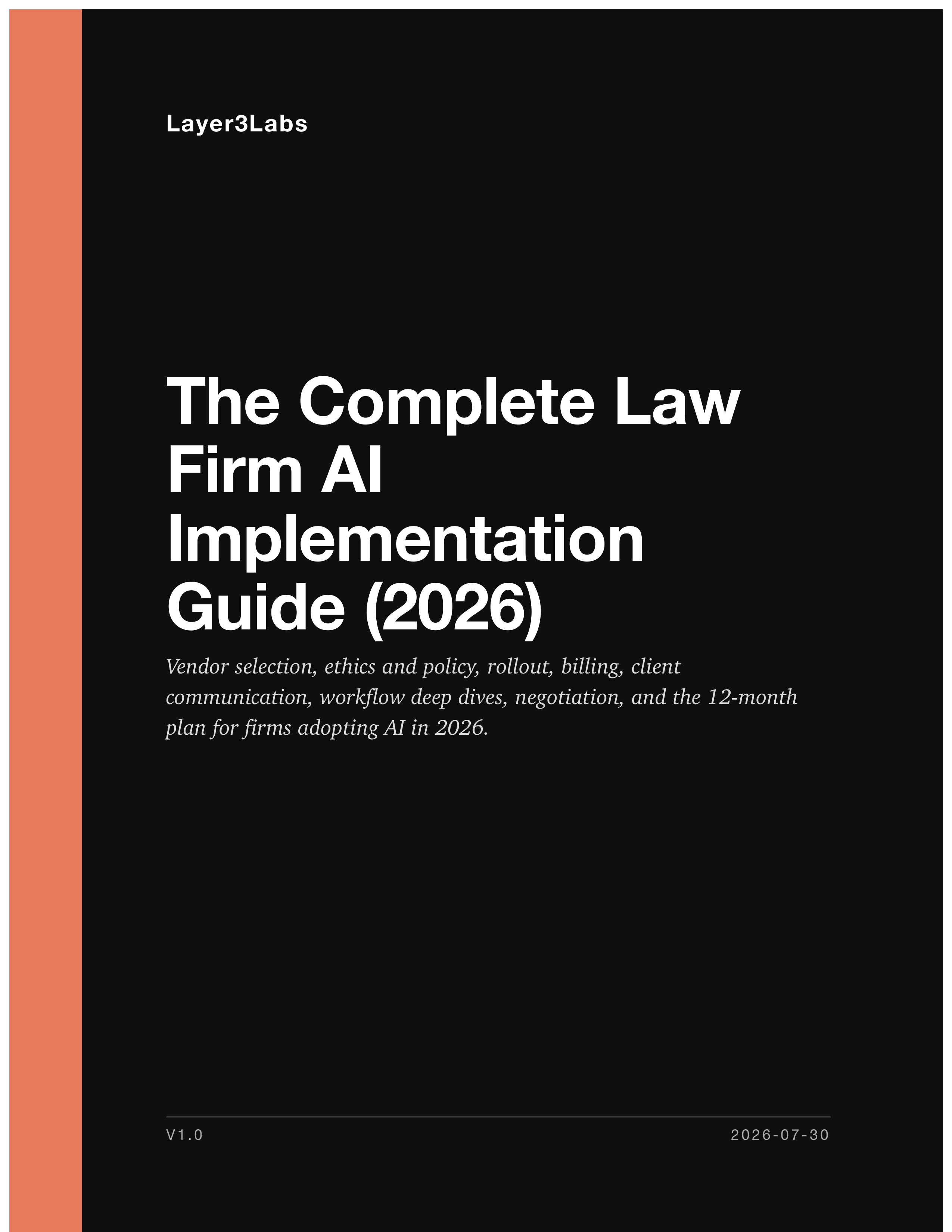
The Complete Law Firm AI Implementation Guide (2026)
Vendor selection, ethics and policy, rollout, billing, client communication, workflow deep dives, negotiation, and the 12-month plan for firms adopting AI in 2026.
$59
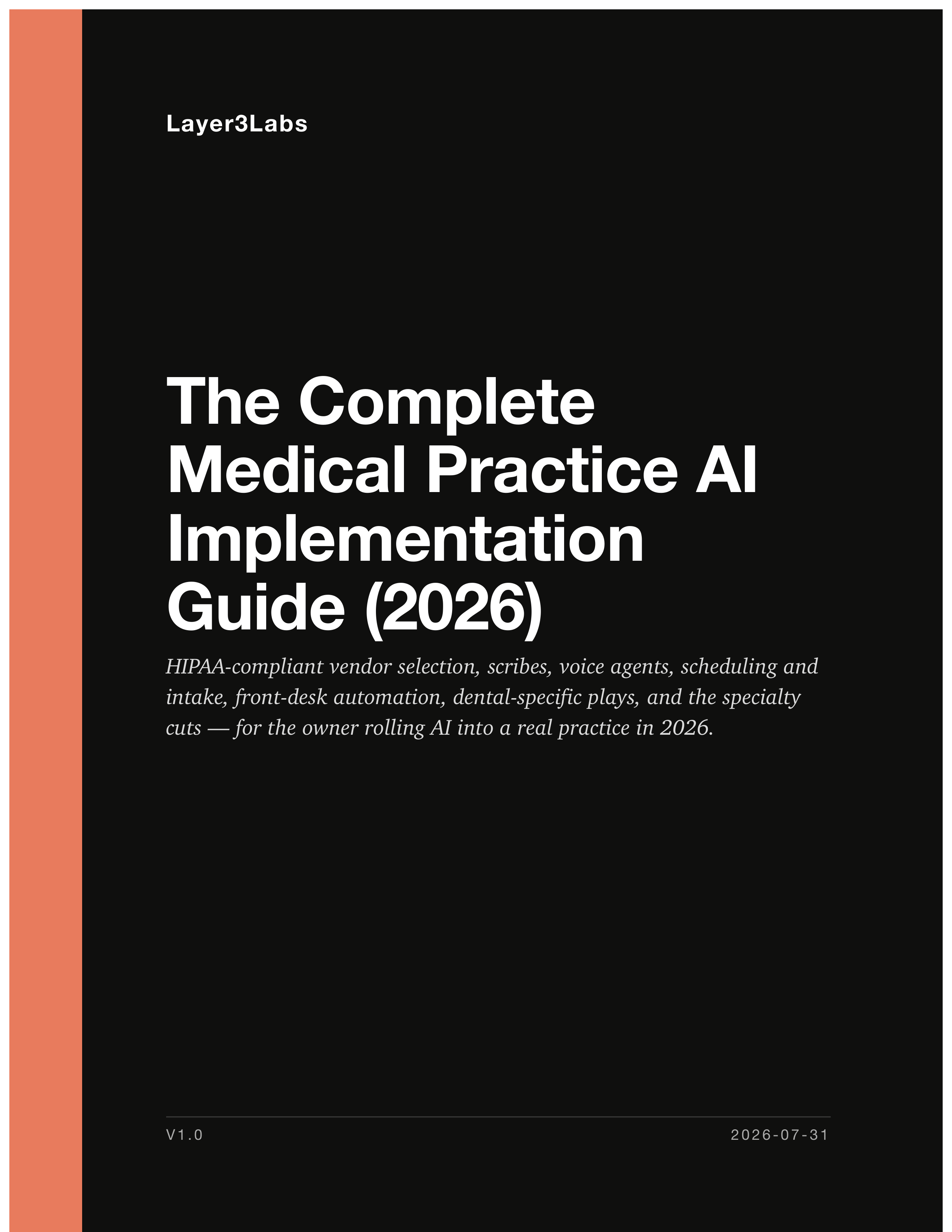
The Complete Medical Practice AI Implementation Guide (2026)
HIPAA-compliant vendor selection, scribes, voice agents, scheduling and intake, front-desk automation, dental-specific plays, and the specialty cuts — for the owner rolling AI into a real practice in 2026.
$59
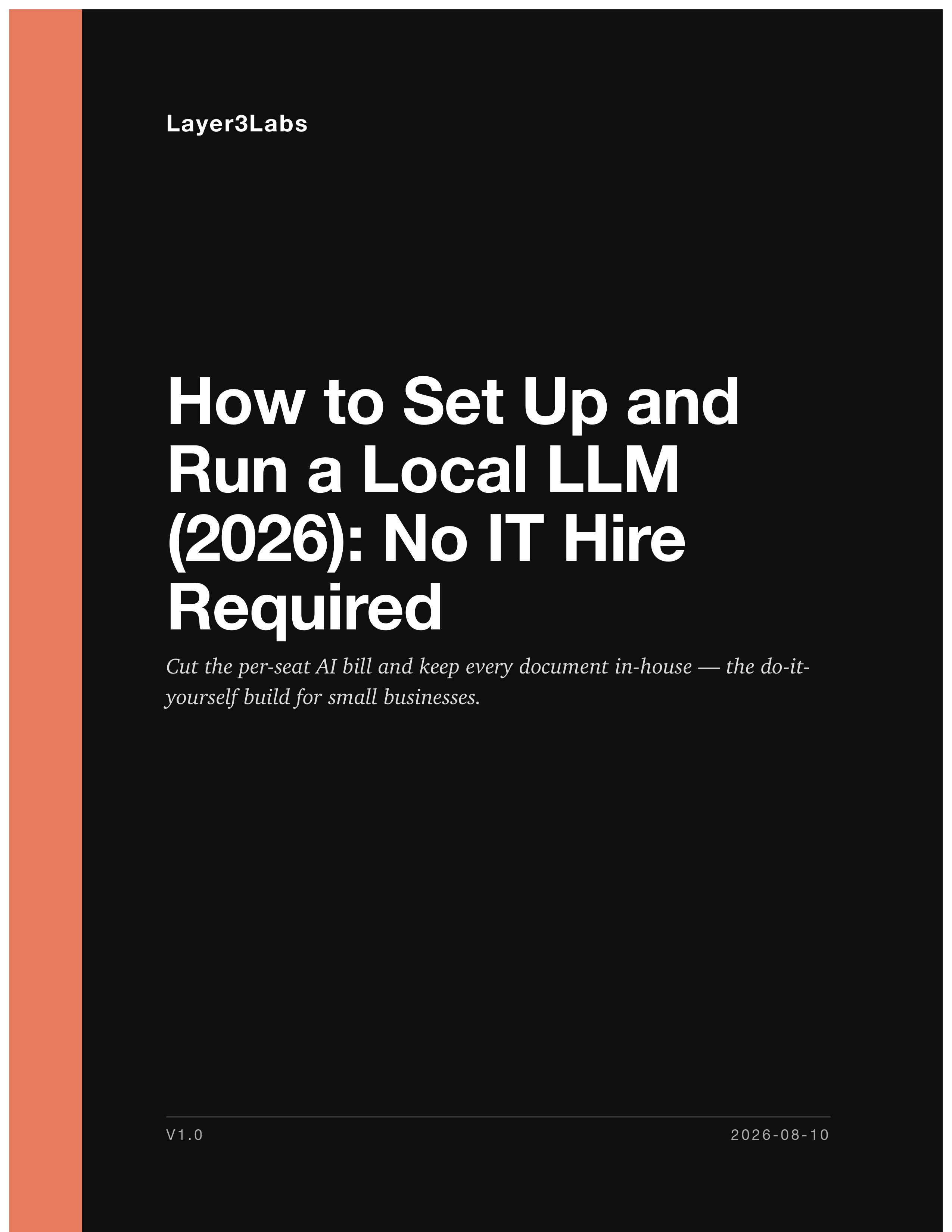
How to Set Up and Run a Local LLM (2026): No IT Hire Required
Cut the per-seat AI bill and keep every document in-house — the do-it-yourself build for small businesses.
$59